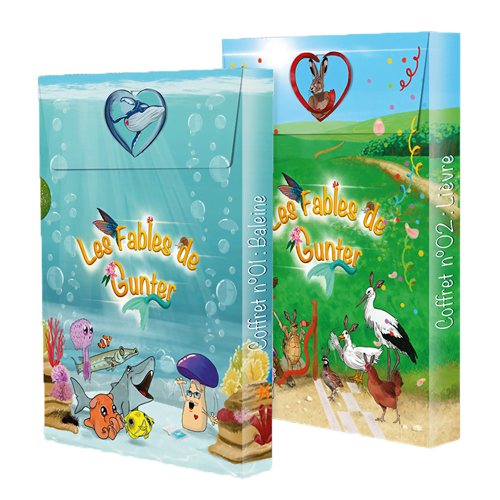
Gunter Pauli and educational inspirations
Gunter Pauli, creator of the Gunter fables, drew his inspiration from the visionary work of Paulo Freire, in particular his critical pedagogy focused on social and environmental justice. However, Pauli also explored the contributions of many other influential pedagogues, integrating their ideas into his educational children's stories. Thus, the Gunter fables agree with various modern educational approaches, such as those of Maria Montessori, Rudolf Steiner, John Dewey, Humberto Maturana, Jean Piaget or Fritjof Capra, offering an educational wealth adaptable to different contexts.
Introduction
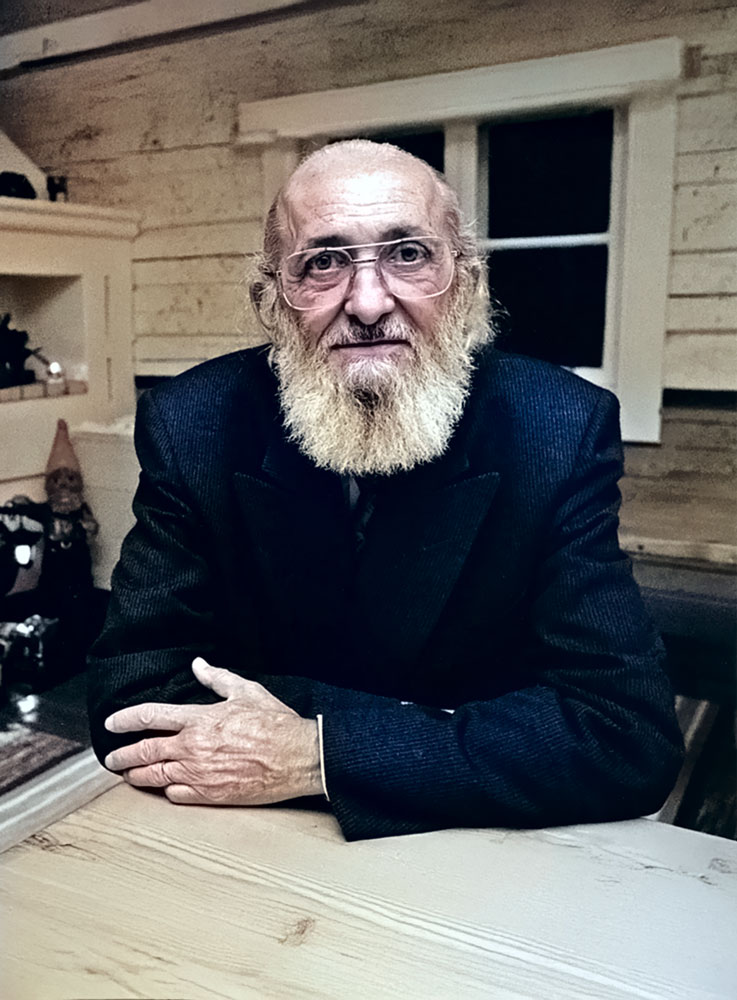
Paulo Freire, born on September 19, 1921, in Recife, Brazil, was an educator and philosopher whose revolutionary ideas transformed pedagogy worldwide. Known as the father of critical pedagogy, he developed an educational approach aimed at liberating the oppressed through education, helping them develop a critical awareness of their social reality. His method is described in his major work Pedagogy of the Oppressedemphasizes dialogue, reflection and action to promote justice and sustainability.
This article explores Freire's life, his educational philosophy, and his connection to environmental education, showing how his ideas resonate with the goals of Gunter's Fables: to inspire children to become agents of change for a sustainable future.
Early life and career
Paulo Freire was born into a middle-class family in Recife, but the Great Depression plunged his family into poverty. This experience of hunger and exclusion shaped his vision of education as a tool for liberation. After studying law, philosophy, and the psychology of language at the University of Recife, he chose to dedicate himself to teaching rather than a legal career.
In 1963, Freire led a literacy program in Brazil, teaching 300 rural workers to read and write in just 45 days. However, the 1964 military coup interrupted this project, deeming it subversive. Imprisoned for 70 days, Freire went into exile for 15 years, working in Bolivia, Chile, and then in Geneva with the World Council of Churches. Returning to Brazil in 1980, he served as Secretary of Education for São Paulo from 1989 to 1992, reforming schools to make them more inclusive.
Paulo Freire's educational philosophy
Freire's pedagogy is based on several fundamental concepts:
- Critique of the banking model Freire denounced traditional education, which he called the "banking model," where teachers deposit knowledge into passive students, thereby reinforcing oppression.
- Problem-based education He proposed a dialogical approach where students and teachers co-create knowledge by addressing real problems, promoting critical thinking.
- Awareness This key concept refers to the process by which individuals become aware of the social, political, and economic forces that oppress them, prompting them to act to transform their reality.
- Praxis Freire insisted on the union of thought and action, essential for lasting social change.
These ideas aim to humanize education, making learners active subjects rather than passive objects, a principle that resonates with modern approaches to learning.
Connection to environmental education
Freire's pedagogy, while centered on literacy and social justice, offers a powerful framework for environmental education. By encouraging students to "read the world"—that is, to critically analyze their social and natural environment—Freire prepares them to understand and combat ecological injustices.
- Ecological awareness Awareness-raising can include an awareness of environmental impacts, such as deforestation or pollution, encouraging sustainable actions.
- Dialogue with nature Freire valued dialogue as a means of mutual understanding, applicable to the relationship between man and his environment.
- Transformative action : Its concept of praxis encourages children to move from reflecting on environmental problems to concrete initiatives, such as recycling or planting trees.
These principles align with Gunter's Fables, which seek to raise children's awareness of ecological issues while encouraging them to take action.
Practical implementation in education
Freire put his ideas into practice through innovative educational programs:
- Contextualized literacy He used words related to the learners' everyday lives (such as "earth" or "water") to teach reading, making learning relevant and engaging.
- Culture circles These discussion groups allowed participants to share their experiences, promoting collaborative education.
- Community projects In São Paulo, Freire encouraged local initiatives, such as community-run schools, to meet the specific needs of students.
These methods can be adapted to teach sustainability, involving children in practical environmental projects, such as those promoted by Gunter's Fables.
Impact and inheritance
Paulo Freire's influence is immense. His book Pedagogy of the Oppressed is one of the most cited texts in the social sciences. It has inspired educational and social movements worldwide, particularly in Latin America, Africa, and Europe. Among its contributions:
- Liberating education Freire showed that education can be a tool for social transformation, not just instruction.
- Global influence Institutions like the Paulo Freire Institute in São Paulo and projects like the Theatre of the Oppressed extend his legacy.
- Acknowledgement He has received prestigious awards, such as the UNESCO Prize for Education for Peace in 1986.
His work continues to inspire educators seeking to promote justice and sustainability, echoing the goals of Gunter's Fables.
Conclusion
Paulo Freire redefined education as a practice of freedom, empowering the oppressed with the tools to transform their world. His critical pedagogy, centered on awareness and action, is a powerful model for modern environmental education. In connection with Gunter's Fables, his ideas encourage children to reflect on ecological challenges and act for a sustainable future, making him an essential figure for educators and parents today.
External links
Discover other teaching approaches:
Paulo Freire, Maria Montessori, Rudolf Steiner, John Dewey, Humberto Maturana, Jean Piaget, Fritjof Capra
Discover other teaching approaches:
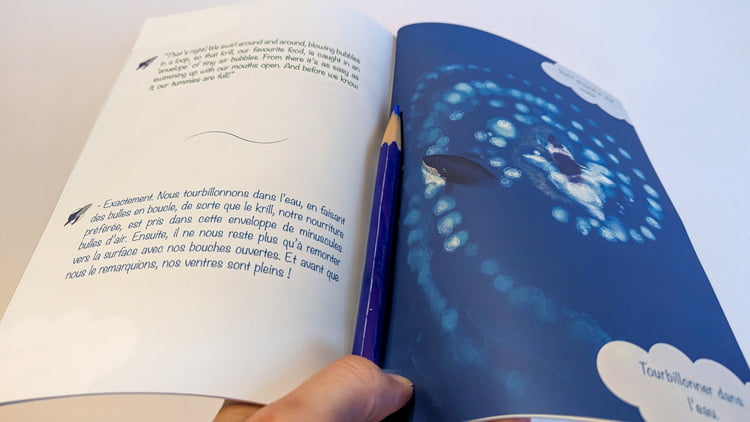
No limits to learning
Discover how limitless learning can transform our societies in the face of ecological and social challenges.

The tablet versus the paper
Tablet or paper? Explore the ecological and educational impacts of these choices in a digital world.
Order now
Gunter's Fables