Teaching
A complete, evolving pedagogy
Inspired by Maria Montessori and Rudolf Steiner, the pedagogy of Gunter’s Fables is respectful of the child and builds connections.
The essentials
The teaching approach behind Gunter’s Fables is a complete, evolving method, inspired by Maria Montessori and Rudolf Steiner, respectful of the child and a builder of connections. Each fable tells a captivating story inspired by Nature: 750 illustrated heroes with a heart work together for the common good. The child is an active participant in their own learning, through a guided moment of exchange in three sections, “Did you know?”, “Think about it…” and “Do it yourself!”, to learn, question, and experiment. Each story awakens five intelligences: academic knowledge, emotional intelligence, the arts, systems that build connections, and the capacity to implement. Written in two languages, always including English, the fables make language learning easier. A free educational booklet guides parents, grandparents, and teachers, for children aged 3 to 15. This approach echoes the work of seven great thinkers in education, from Maria Montessori to Humberto Maturana.
Thanks to Gunter’s Fables, the child gains access to advanced knowledge from a very young age. They are free to explore, at their own pace, the subjects that interest them. You read a story, and gradually add scientific concepts to develop their intelligence and general knowledge.
Are you a parent, grandparent, or teacher?
This educational booklet guides you every step of the way to support children on their learning journey, according to their needs and age, from 3 to 15 years old.
Download the educational booklet for free
Pillar 1
Captivating stories inspired by Nature
Gunter’s Fables tell the surprising, thrilling stories of characters who work together for the common good, each with their own unique personality and emotions.
No dominant personality, no single hero, but 750 heroes, each illustrated with a heart. Together, they form a community that faces challenges and finds concrete, nature-inspired solutions to build a better world.
« Every character has a heart »
Pillar 2
The child is an active participant in their own learning
The child absorbs the lessons and discoveries revealed in each fable, through a guided conversation to learn, question, and experiment.
Did you know?
Illustrated information that opens up new ideas, building the child’s general knowledge and open-mindedness.
Think about it
Encouraging the child to ask questions, develop critical thinking, and work out a solution on their own.
Do it yourself
A hands-on activity (DIY) that lets the child carry out a concrete experiment, turning knowledge into understanding.
Pillar 3
Awakening the five intelligences
Human diversity means everyone can bring something unique! By combining our strengths, we make a meaningful contribution to positive change in our world.
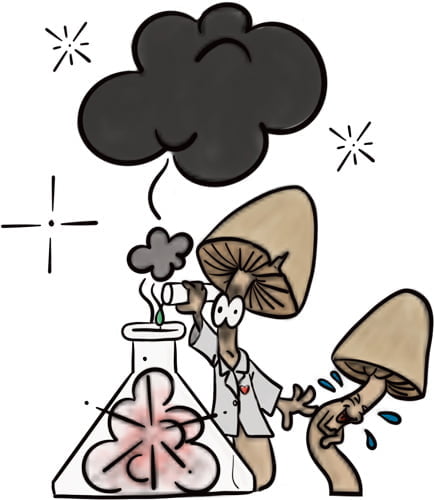
Academic Knowledge
Exploring 10 to 50 themes classified by subject (physics, biology, history, mathematics, etc.)
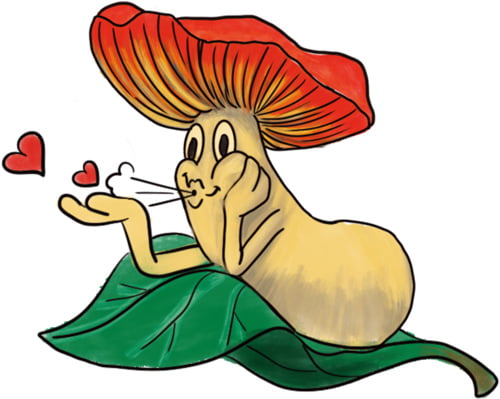
Emotional Intelligence
Developing children’s empathy and their ability to recognize and express their emotions.
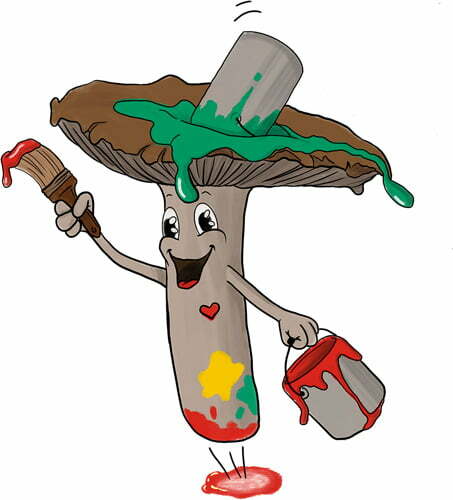
The Arts
Developing multisensory learning, creativity, and action through artistic activities.
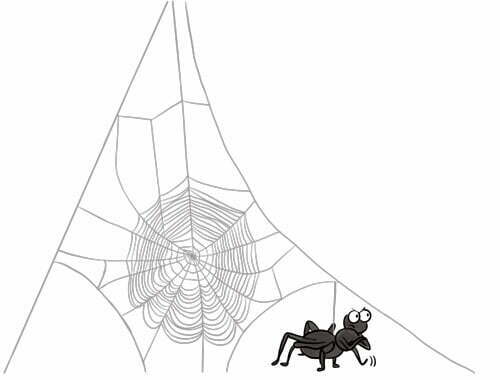
Systems: Making Connections
Developing the ability to think, design, create, and dream within (eco)systems where everything is connected.

Capacity to Implement
Taking action to spark change and nurture the entrepreneurial seed in every child.
Pillar 4
Discovering inspiring people
Each fable celebrates the women and men who have driven real positive change through their research, discoveries, and initiatives, enough to spark a calling!
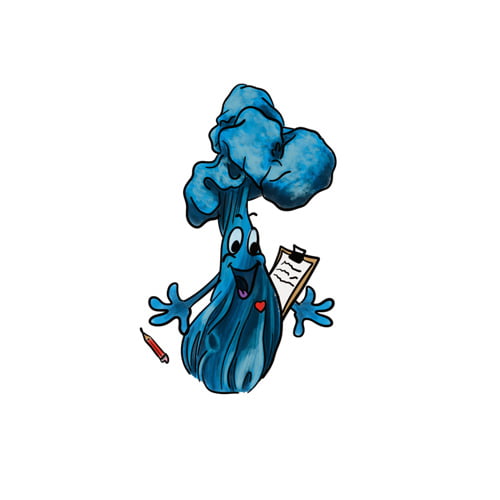
Professor
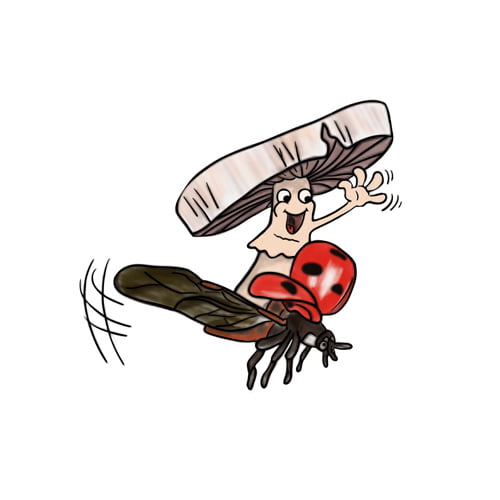
Entrepreneur
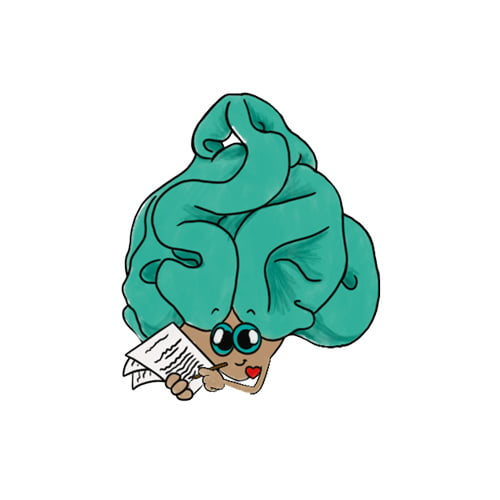
Scientist
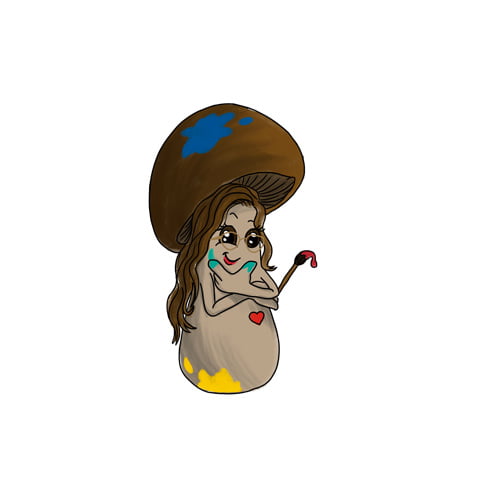
Artist
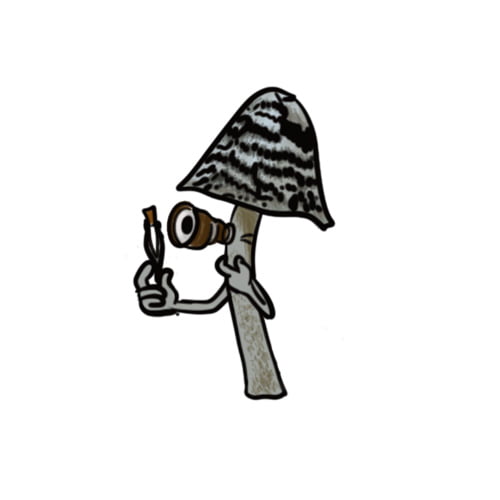
Researcher
Pillar 5
Making language learning easier
Learning foreign languages with joy and ease?
That’s why Gunter’s Fables are written in 2 languages, always including English.
Children, parents, and teachers can compare words, pronounce them, and easily play at jumping from one language to another.
A highly effective, proven method. Students who had never practiced English acquired around 600 words of vocabulary after a year of study with Gunter’s Fables.
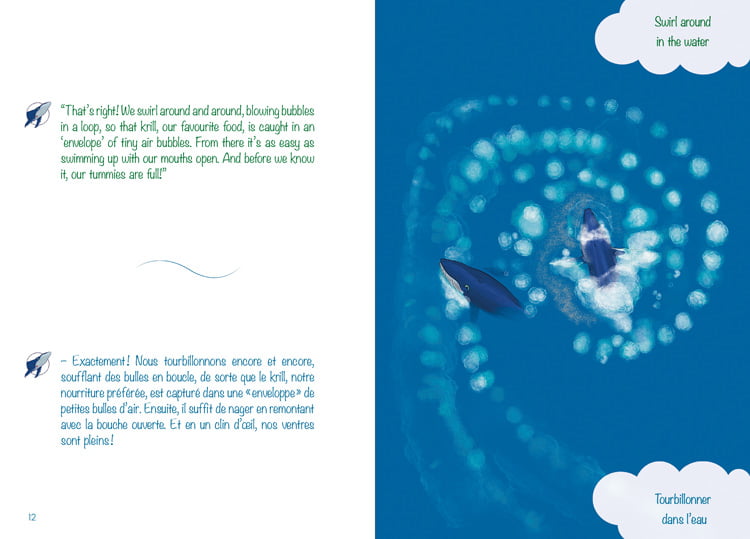
What you’ll find in Gunter’s Fables

A captivating story
Stories full of surprises, in which Nature reveals all its secrets. Always an incredible but true story to tell young and old alike, in French and English!

An exploration
A three-step conversation to learn, question, and experiment. A playful exploration that encourages curiosity and active learning.

Stimulating the 5 intelligences
Supporting the child’s development so they discover the intelligence within them, broaden their knowledge, and confidently develop their full potential!
Gunter Pauli and his pedagogical inspirations
Gunter Pauli, creator of Gunter’s Fables, drew inspiration from the visionary work of Paulo Freire, notably his critical pedagogy centered on social and environmental justice. However, Pauli also explored the contributions of many other influential educators, weaving their ideas into his educational stories for children. As a result, Gunter’s Fables resonate with a range of modern pedagogical approaches, such as those of Maria Montessori, Rudolf Steiner, John Dewey, Humberto Maturana, Jean Piaget, and Fritjof Capra, offering an educational richness adaptable to different contexts.
Maria Montessori
Maria Montessori’s child-centered approach weaves nature and environmental learning together, nurturing a sense of responsibility and stewardship in young minds.
Read the profilePaulo Freire
Discover Paulo Freire’s critical pedagogy, a tool for liberation that inspires ecological awareness and sustainable action in children.
Read the profileJohn Dewey
Discover how John Dewey’s pragmatic approach inspires environmental education and sustainable action in children.
Read the profileJean Piaget
Discover how Jean Piaget inspires ecological education tailored to children’s cognitive development, for a sustainable future.
Read the profileRudolf Steiner
Discover how Rudolf Steiner inspires holistic ecological education through Waldorf pedagogy, for a sustainable future.
Read the profileFritjof Capra
Discover how Fritjof Capra inspires systemic ecological education to connect children with a sustainable future.
Read the profileHumberto Maturana
Explore how Humberto Maturana, through autopoiesis, inspires systemic ecological education for a sustainable future.
Read the profileFrequently asked questions
- Who inspired the teaching approach behind Gunter’s Fables?
- Inspired by Maria Montessori and Rudolf Steiner, the teaching approach behind Gunter’s Fables is respectful of the child and a builder of connections.
- What age are Gunter’s Fables suited to?
- The educational booklet guides parents, grandparents, and teachers at every step, to support children on their learning journey according to their needs and age, from 3 to 15.
- How does a child learn with Gunter’s Fables?
- The child is an active participant in their own learning: they absorb the lessons and discoveries revealed in each fable, through a guided moment of exchange to learn (Did you know?), question (Think about it…), and experiment (Do it yourself!).
- What are the five intelligences awakened by the fables?
- Academic knowledge, emotional intelligence, the arts, systems (building connections), and the capacity to implement. Human diversity lets everyone bring something unique.
- Do Gunter’s Fables help children learn languages?
- Yes. Gunter’s Fables are written in 2 languages, always including English. A highly effective method with proven results: students who had never studied English acquired around 600 words of vocabulary after a year of studying with Gunter’s Fables.